The Importance of Waterproofing and Protective Coatings in Modern Construction
Buildings are constantly exposed to environmental stress, moisture, temperature changes, and daily wear. Without proper protection, these factors slowly weaken structures, leading to costly repairs and reduced lifespan. Two of the most effective solutions used in construction today are waterproofing systems and high-performance surface coatings. Together, they help maintain structural strength, improve safety, and lower long-term maintenance expenses.
Why Waterproofing Is Essential?
Water is one of the biggest threats to any structure. It can enter through small cracks, joints, and porous materials such as concrete. Once moisture penetrates, it causes issues like damp walls, mold growth, paint failure, and corrosion of steel reinforcement. Over time, this hidden damage can weaken the structural integrity of a building.
Waterproofing creates a protective barrier that prevents water from seeping into structural elements. It is commonly applied to roofs, basements, foundations, wet areas, and balconies. A properly installed waterproofing system not only stops leaks but also protects interior finishes, electrical systems, and furniture from moisture-related damage.
Roof Protection and Durability
Roofs face direct exposure to sunlight, rain, and temperature fluctuations. Continuous expansion and contraction can lead to cracks in the concrete slab. If these cracks are left untreated, water can pass through and damage ceilings and walls below. Waterproofing membranes on roofs form a seamless layer that blocks water entry while allowing minor structural movement. This ensures longer roof life and fewer maintenance problems.
Basements and Foundations
Substructures are particularly vulnerable due to groundwater pressure. Moisture can push through foundation walls and floors, causing dampness, foul odors, and unhealthy indoor conditions. Waterproofing treatments in these areas are designed to resist hydrostatic pressure and prevent water ingress from the soil side. This protection is crucial for underground parking areas, storage rooms, and service zones.
Internal Wet Areas
Bathrooms, kitchens, and utility rooms regularly handle water. Without proper waterproofing beneath tiles, water can seep into the slab and cause leakage to lower floors. This often leads to disputes in residential and commercial buildings. A reliable waterproofing layer ensures that water remains confined to the intended areas and does not affect the structure.
Role of Professional Application
Proper application is just as important as selecting the right materials. Experienced Waterproofing contractors uae evaluate site conditions, surface types, and exposure levels before recommending solutions. They ensure correct surface preparation, treatment of joints and penetrations, and quality checks during the installation process. This professional approach minimizes failure risks and ensures long-term performance.
Protective Coatings for Surface Strength
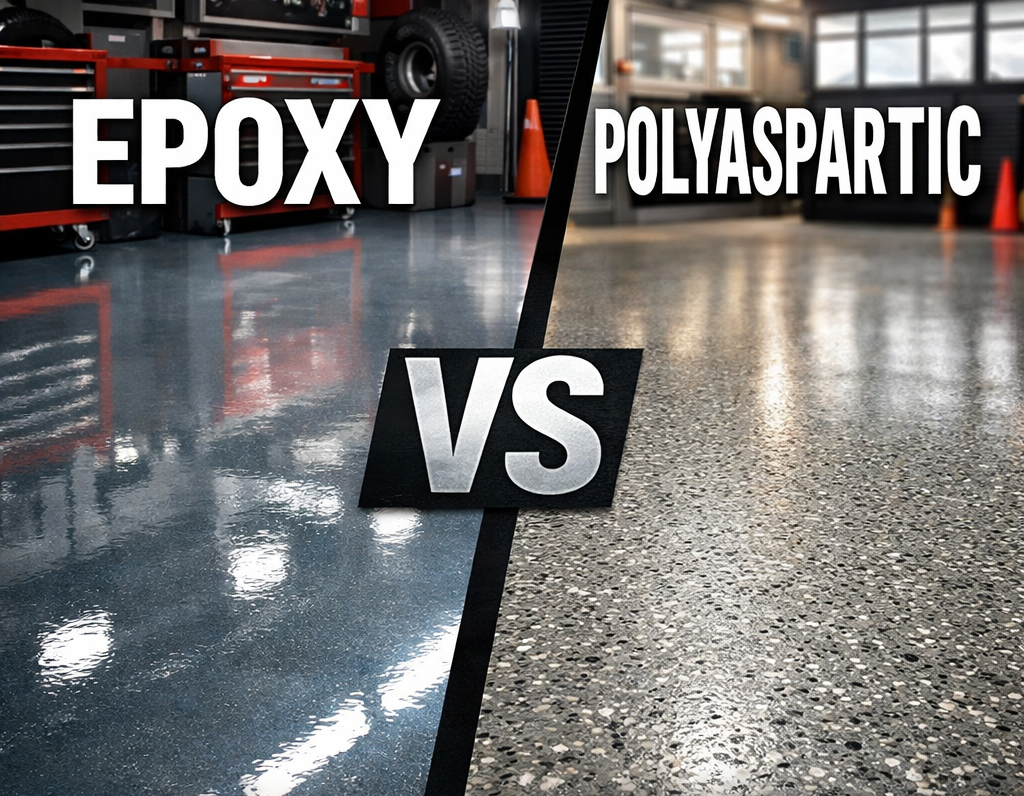
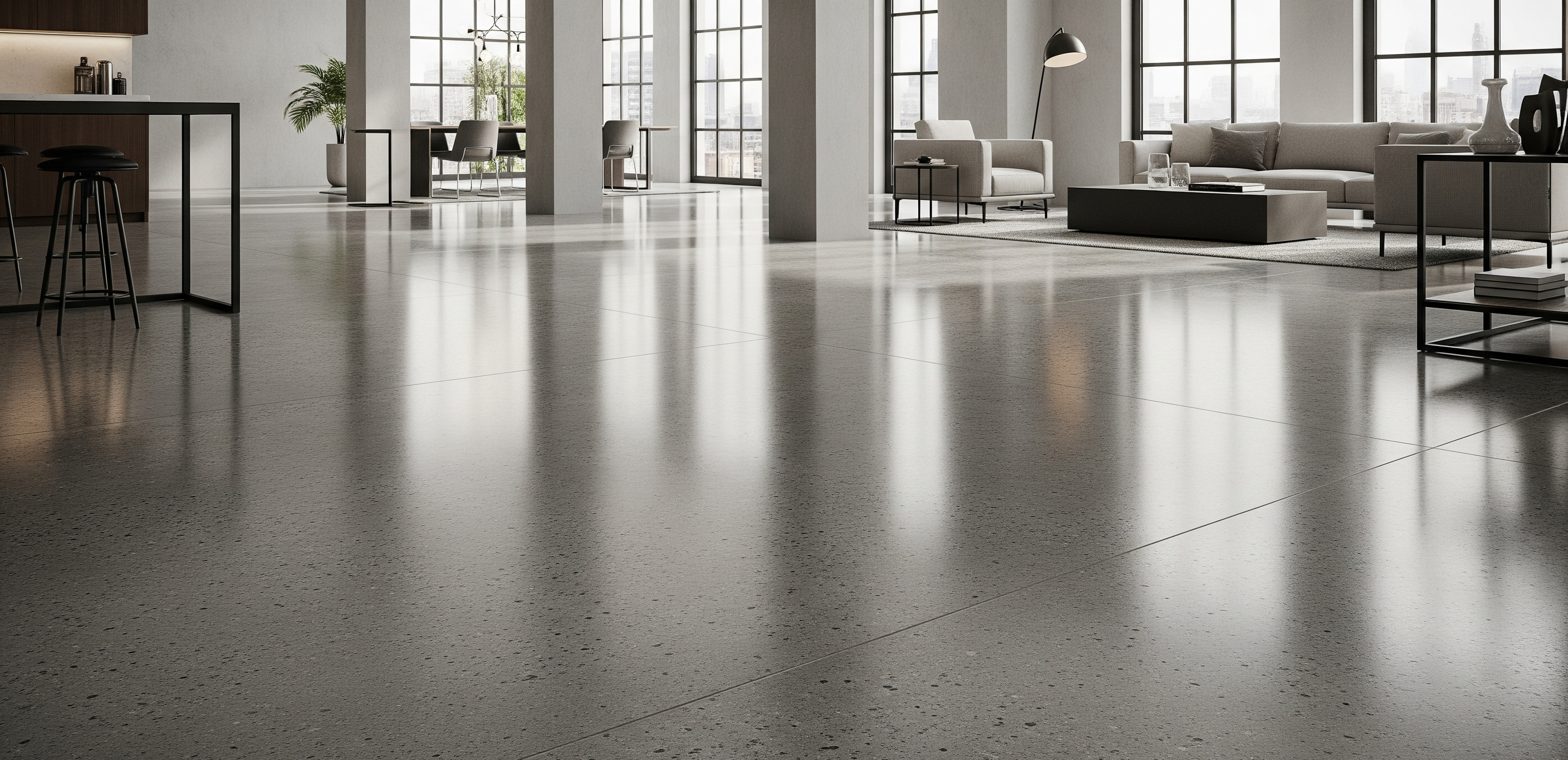
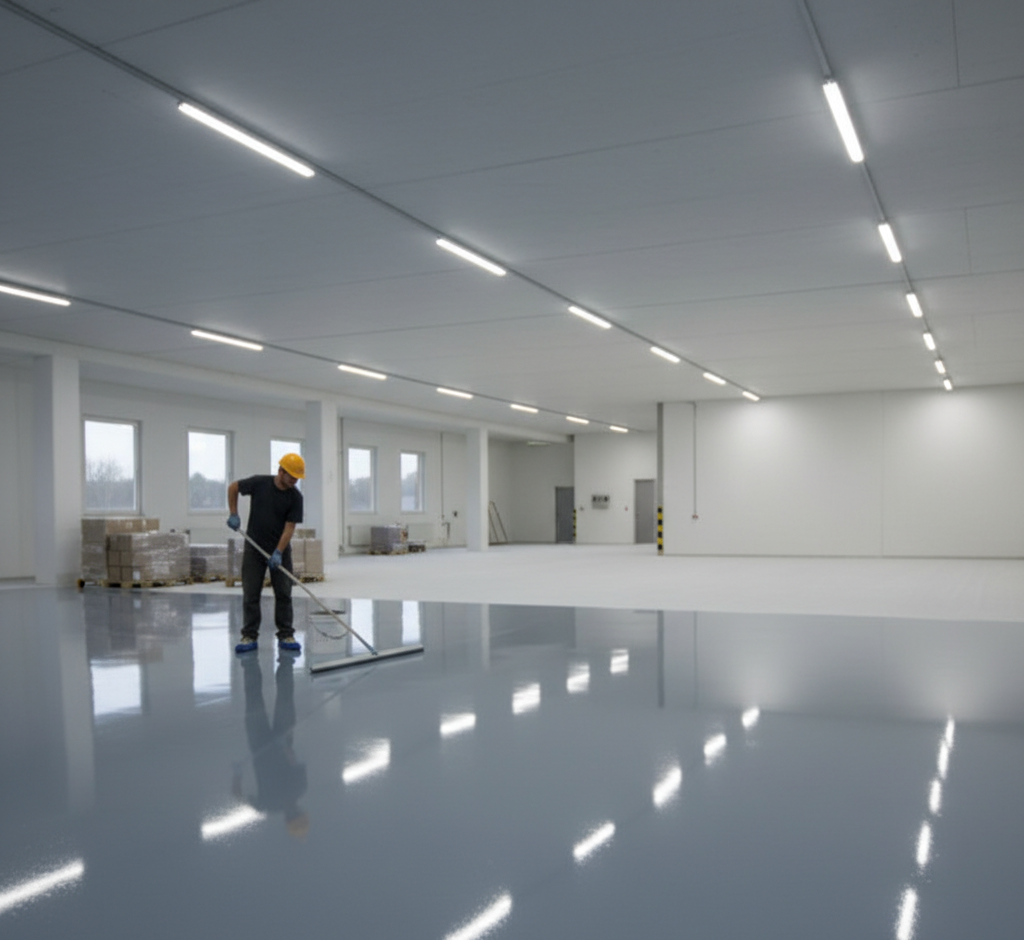
In addition to waterproofing, protective coatings enhance surface durability. Floors and walls in industrial and commercial facilities face heavy traffic, mechanical impact, and chemical exposure. One effective solution widely used for such environments is epoxy painting. This system forms a tough, seamless surface that resists abrasion, chemicals, and oil spills.
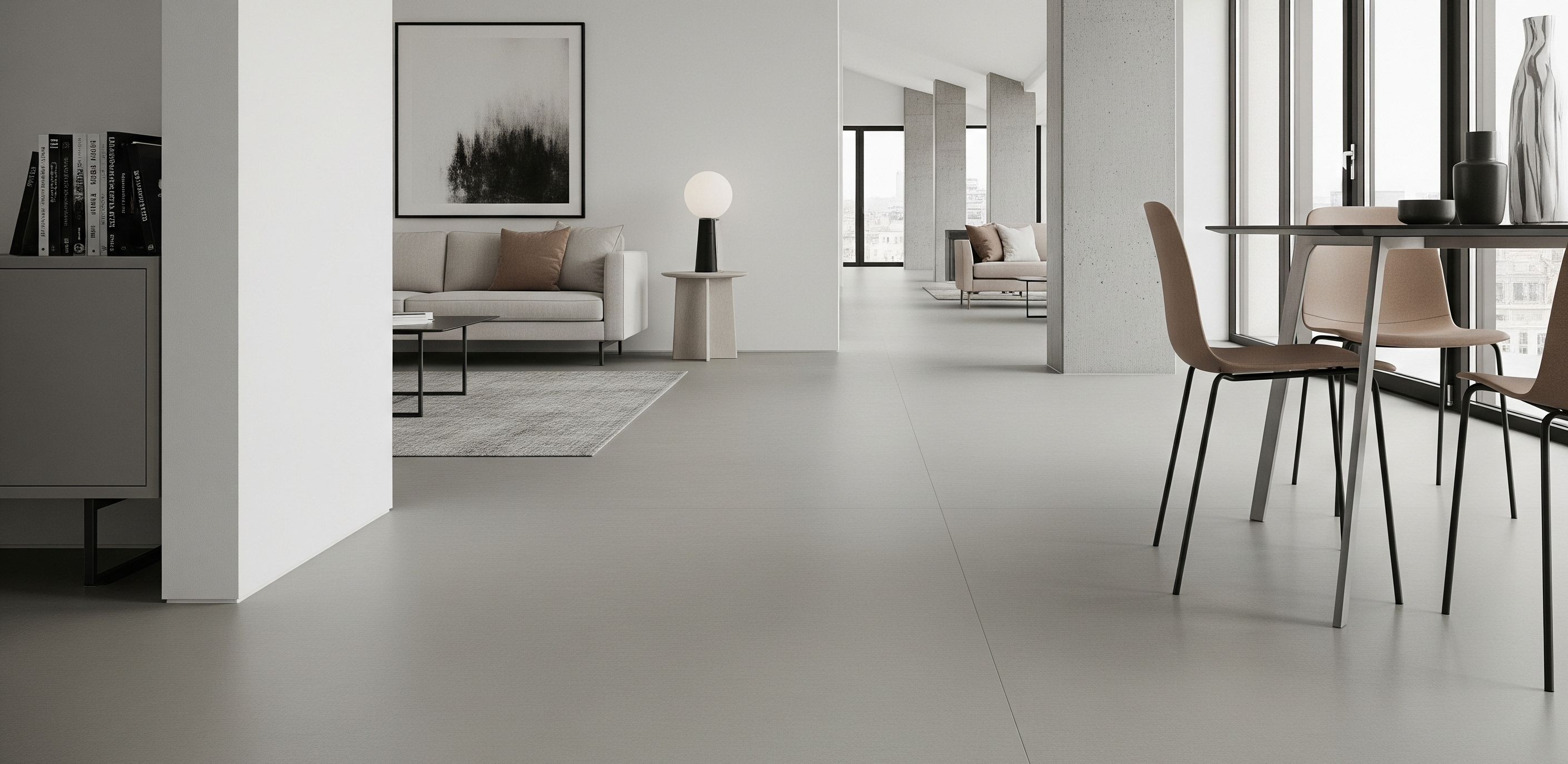
Epoxy coatings also improve cleanliness. Their smooth finish prevents dust accumulation and allows easy cleaning, which is especially important in hospitals, laboratories, and food processing facilities. Anti-slip additives can also be included to improve safety in wet or high-traffic areas.
Combined Benefits of Waterproofing and Coatings
When waterproofing and protective coatings are used together, they provide a complete building protection strategy. Waterproofing prevents water damage at the structural level, while coatings protect exposed surfaces from wear and chemical attack. This integrated approach extends the service life of buildings and reduces repair frequency.
Long-Term Cost Savings
Although protective systems require an initial investment, they prevent major structural repairs, interior damage, and operational disruptions in the future. Preventive protection is far more economical than repairing severe water damage or replacing deteriorated surfaces.
Conclusion
Modern construction demands durability, safety, and sustainability. Waterproofing and surface protection systems play a key role in achieving these goals. By safeguarding structures against moisture, environmental stress, and daily wear, these solutions ensure longer-lasting, stronger, and more reliable buildings. Investing in the right protection today means fewer problems and lower costs tomorrow.
Recent Post